
"coffee grade 4"
7000 article(s) found

Characteristics of Latin American coffee beans Latin American coffee flavor
Latin America (Latin America) in 1721 French naval officer de Klee (Gabriel Mathieu de Clieu) experienced difficulties and obstacles to bring the first coffee sapling from Africa to the Latin American island of Martinique, which was the origin of coffee cultivation in Latin America. Because at that time, France was under the reign of the Bourbon dynasty, and what was grown in Latin America
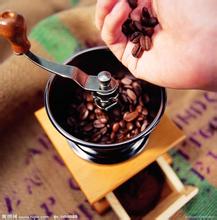
Characteristics of Latin American coffee beans Latin American coffee flavor
Latin America (Latin America) in 1721 French naval officer de Klee (Gabriel Mathieu de Clieu) experienced difficulties and obstacles to bring the first coffee sapling from Africa to the Latin American island of Martinique, which was the origin of coffee cultivation in Latin America. Because at that time, France was under the reign of the Bourbon dynasty, and what was grown in Latin America

Characteristics of Latin American coffee beans Latin American coffee flavor
Latin America (Latin America) in 1721 French naval officer de Klee (Gabriel Mathieu de Clieu) experienced difficulties and obstacles to bring the first coffee sapling from Africa to the Latin American island of Martinique, which was the origin of coffee cultivation in Latin America. Because at that time, France was under the reign of the Bourbon dynasty, and what was grown in Latin America

Introduction to Latin American Coffee from Fine Coffee producing area
Latin America (Latin America) in 1721 French naval officer de Klee (Gabriel Mathieu de Clieu) experienced difficulties and obstacles to bring the first coffee sapling from Africa to the Latin American island of Martinique, which was the origin of coffee cultivation in Latin America. Because at that time, France was under the reign of the Bourbon dynasty, and Elaraby was grown in Latin America.

What is the grade of Essex coffee? What is the difference between water-washed Yega G1 and water-washed Yega G2?
Professional coffee knowledge exchange more coffee bean information please follow the coffee workshop (Wechat official account cafe_style) We know that Essel's coffee is divided according to the defect rate of coffee beans. So what's the difference between beans of different grades? Will there be a big difference in the flavor of different grades of beans? | | grading. Let's take a look at the EXC rules first. |
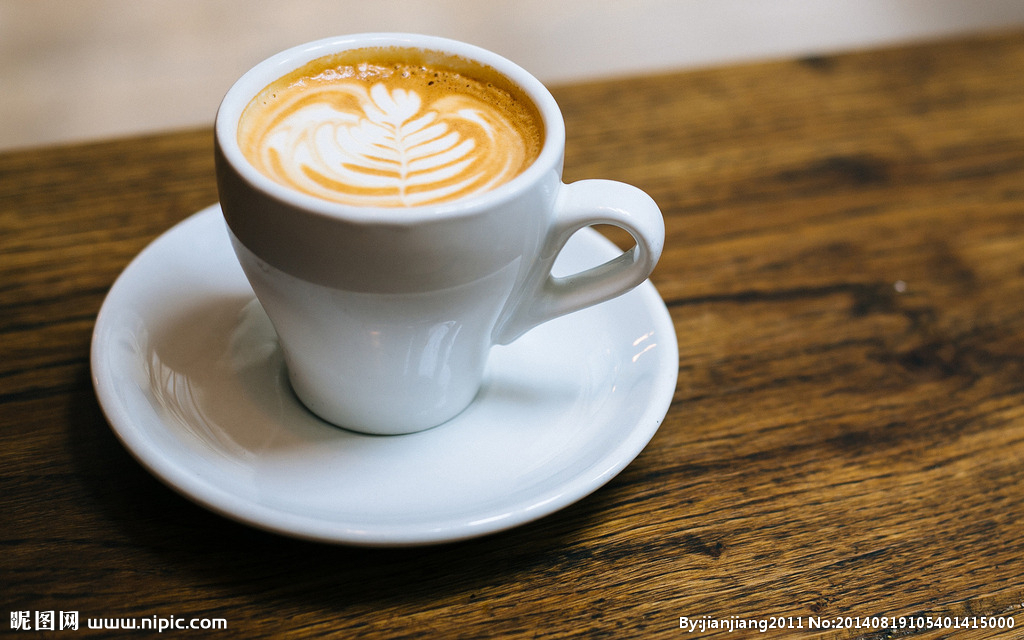
Latin American coffee flavor Latin American coffee characteristics Latin American coffee taste
Latin America (Latin America) in 1721 French naval officer de Klee (Gabriel Mathieu de Clieu) experienced difficulties and obstacles to bring the first coffee sapling from Africa to the Latin American island of Martinique, which was the origin of coffee cultivation in Latin America. Because at that time, France was under the reign of the Bourbon dynasty, and Elaraby was grown in Latin America.

The description of the Flavor of Coffee by Brazilian Cup Measurement and grading
Brazilian cup test grading: grade 1:Strictly Soft (very mild) grade 2:Soft (mild) grade 3:Softish (slightly mild) grade 4:Hard (light iodine) grade 6:Rioy (strong iodine) where grades 1-3 are collectively referred to as mild, sweet, bitter and sour, and are good coffee with a warm and mellow taste. On the contrary
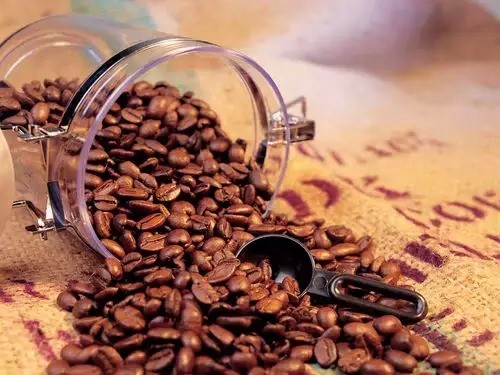
Sweet and mellow Latin American coffee varieties Taste characteristics Manor boutique coffee beans Flavor introduction
Latin America In 1721, Gabriel Mathieu de Clieu, a French naval officer, took the first coffee sapling from Africa to Martinique in Latin America, which is the origin of coffee cultivation in Latin America. Because France was under Bourbon rule at the time, Arabi cultivated in Latin America

Characteristics of Latin American coffee beans and complete understanding of Latin American coffee flavor and taste
Brazil (Brazil) aroma 3 minutes brightness 3.5 minutes mellow flavor 4 minutes aftertaste 4 points suitable for baking: City/Full city/Espresso used as Espressode beans should not be baked too deep, because the producing area is low altitude, the bean density is low, the pot under deep baking produces coke bitterness, it is best to start the pot before the second explosion. As for high-grade Brazilian beans, they can have a wider range of baking patterns.

Latin American coffee bean characteristics Latin American coffee flavor Latin American coffee theme
Latin America (Latin America) in 1721 French naval officer de Klee (Gabriel Mathieu de Clieu) experienced difficulties and obstacles to bring the first coffee sapling from Africa to the Latin American island of Martinique, which was the origin of coffee cultivation in Latin America. Because at that time, France was under the reign of the Bourbon dynasty, and what was grown in Latin America
Latin American coffee bean characteristics Latin American coffee flavor Latin American coffee theme
Latin America (Latin America) in 1721 French naval officer de Klee (Gabriel Mathieu de Clieu) experienced difficulties and obstacles to bring the first coffee sapling from Africa to the Latin American island of Martinique, which was the origin of coffee cultivation in Latin America. Because at that time, France was under the reign of the Bourbon dynasty, and what was grown in Latin America

Overall flavor to balance Latin American coffee flavor, characteristics, taste and manor introduction
Latin America (Latin America) in 1721 French naval officer de Klee (Gabriel Mathieu de Clieu) experienced difficulties and obstacles to bring the first coffee sapling from Africa to the Latin American island of Martinique, which was the origin of coffee cultivation in Latin America. Because at that time, France was under the reign of the Bourbon dynasty, and Elaraby was grown in Latin America.

Flavor description of Sidamo Lion King Coffee beans introduction of Grinding scale varieties and Taste Manor
Sidamo Lion King Coffee Bean Flavor description Grinding scale varieties taste Manor introduction before 1974, the production, processing and trading rights of coffee were in private hands. During the military administration, private farms were nationalized and smallholder coffee producers were snubbed. In 1991, the Ethiopian Transitional Government issued a new economic policy to encourage private businessmen to export coffee. Result,

The overall flavor is balanced to show a stable Latin American coffee flavor, character, taste and estate
Latin America In 1721, Gabriel Mathieu de Clieu, a French naval officer, took the first coffee sapling from Africa to Martinique in Latin America, which is the origin of coffee cultivation in Latin America. Because France was under Bourbon rule at the time, Arabi cultivated in Latin America

Introduction of Latin American coffee and its aroma, brightness, mellow flavor and aftertaste
Following Cafe (official Wechat account vdailycom) found that the Beautiful Cafe opened a small shop of its own. In 1721, French naval officer Gabriel Mathieu de Clieu brought the first coffee sapling from Africa to the Latin American island of Martinique, all of which was the origin of coffee cultivation in Latin America. Because France at that time was in

General knowledge of Fine Coffee beans appearance and grading of Ethiopian Coffee
The grading we are talking about now refers to the grading of raw beans in the country where coffee is produced. (no matter which country coffee beans are not graded) Ethiopian coffee beans are divided into five grades. The first and second stages are reserved for washing beans with water. Grade 1 represents 0-3 raw beans and Grade 2 represents 4-12 missing beans per 300g raw beans. Grade 1 (G1) grade water washed bean pole

Ethiopia Yega Chuefei has become the most famous in the world.
Ethiopia Yega Chuefei G2 | EthiopiaYirgachaffe Grade2 Ethiopia Yega Xuefei has a floral scent, making it the most famous boutique raw bean in the world. It is particularly mild, with a floral fragrance, an afterscent around the tip of the tongue, and a gentle texture, all of which have become unique characteristics of Yejia Xuefei. In the past few decades,

Characteristics of coffee beans in three producing areas-characteristics of coffee beans in Central and South America
Characteristics of coffee beans in three producing areas-characteristics of Central and South American coffee beans Mexican coffee is a coffee-producing area from Cottpe and Veracruz in the north to Plamas in the central Oaxaca region to Chiapas in the southernmost area. and the flavor of each region is also different. Although there are many producing areas in Mexico, because the quality stability is not high, so we have to try in many ways in order to get high quality.

Basic knowledge of coffee bean appearance and grading of Ethiopian coffee
The grading we are talking about now refers to the grading of raw beans in the country where coffee is produced. (no matter which country coffee beans are not graded) Ethiopian coffee beans are divided into five grades. The first and second stages are reserved for washing beans with water. Grade 1 represents 0-3 raw beans and Grade 2 represents 4-12 missing beans per 300g raw beans. Grade 1 (G1) grade water washed bean pole